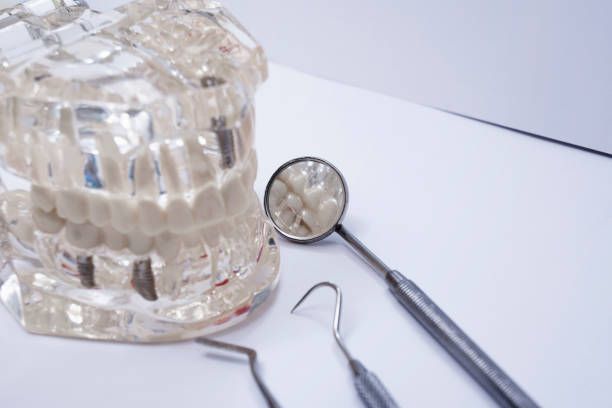
For many individuals, the alignment of their jaws is not simply a matter of aesthetics; it is fundamentally tied to their ability to eat, speak, breathe, and sleep comfortably. When the upper and lower jaws develop at different rates or are misaligned, the resulting condition—often referred to as a dentofacial deformity—can have profound effects that go far beyond a crooked smile. It can lead to debilitating symptoms like chronic jaw pain, difficulty chewing, excessive tooth wear, and even severe sleep apnea. If these issues are complex and cannot be fully corrected with orthodontics alone, the solution often lies in maxillofacial surgery in concord.
This specialized field of surgery is dedicated to treating diseases, injuries, and defects in the head, neck, face, jaws, and the hard and soft tissues of the oral and maxillofacial region. Specifically, jaw surgery, or orthognathic surgery, is a transformative procedure designed to reposition the jaws into a more balanced and functional relationship. It is a collaborative effort, typically involving both an orthodontist (to align the teeth) and a skilled oral and maxillofacial surgeon (to align the jaws).
The Dual Purpose: Function and Form
The primary goal of orthognathic surgery is always functional improvement. By correcting the underlying skeletal discrepancy, the surgery aims to:
Improve Biting and Chewing: When the jaws don't meet correctly, chewing efficiency is significantly compromised. Surgery repositions the jaws so the teeth interlock properly, making eating easier and less strenuous.
Enhance Speech: Severe misalignments can affect the tongue's position and movement, leading to speech impediments. Correcting the jaw structure can often resolve these issues.
Facilitate Breathing: One of the most life-changing benefits is the widening of the airway. For patients suffering from Obstructive Sleep Apnea (OSA) due to a recessed lower jaw, this surgery can be a highly effective, long-term cure, significantly improving sleep quality and overall health.
Alleviate Jaw Pain: By placing the temporomandibular joints (TMJ) in a more relaxed and natural position, the surgery can often relieve chronic pain, clicking, and discomfort associated with temporomandibular joint disorder (TMD).
While function is paramount, the secondary benefit is the dramatic improvement in facial aesthetics. When the jaws are brought into proper alignment, the entire facial profile is harmonized, unlocking a person's "true face" and significantly boosting self-confidence.
The Journey to a New Alignment
The process for undertaking jaw surgery is carefully structured and typically involves three phases:
Pre-Surgical Orthodontics: For about 9 to 18 months, the orthodontist moves the teeth into the correct position on the jawbones. This often makes the misalignment look temporarily worse before the surgery, as the teeth are aligned to fit the new, post-surgical jaw position.
The Maxillofacial Surgery: Performed by an expert in maxillofacial surgery, the procedure involves making precise cuts in the jawbone(s) to reposition them, securing them with tiny plates and screws. The operation is performed entirely from inside the mouth, leaving no visible scars on the face.
Post-Surgical Orthodontics: Following a recovery period, the orthodontist fine-tunes the bite, ensuring the teeth perfectly settle into their final position. This phase usually lasts for 6 to 12 months.
Conclusion
In conclusion, orthognathic surgery, or jaw surgery in concord, is a profoundly powerful and life-altering procedure offered within the scope of maxillofacial surgery. It is not merely a cosmetic enhancement but a critical treatment designed to resolve significant skeletal misalignments that compromise a patient's function—specifically their ability to chew, speak, and breathe comfortably.
By harmonizing the relationship between the upper and lower jaws, the surgery provides long-term solutions for issues ranging from severe sleep apnea and chronic TMD pain to debilitating difficulty with eating. Ultimately, the successful collaboration between the orthodontist and the maxillofacial surgery specialist results in a stable, healthy bite and a balanced facial structure, empowering patients to unlock their full functional and aesthetic potential.